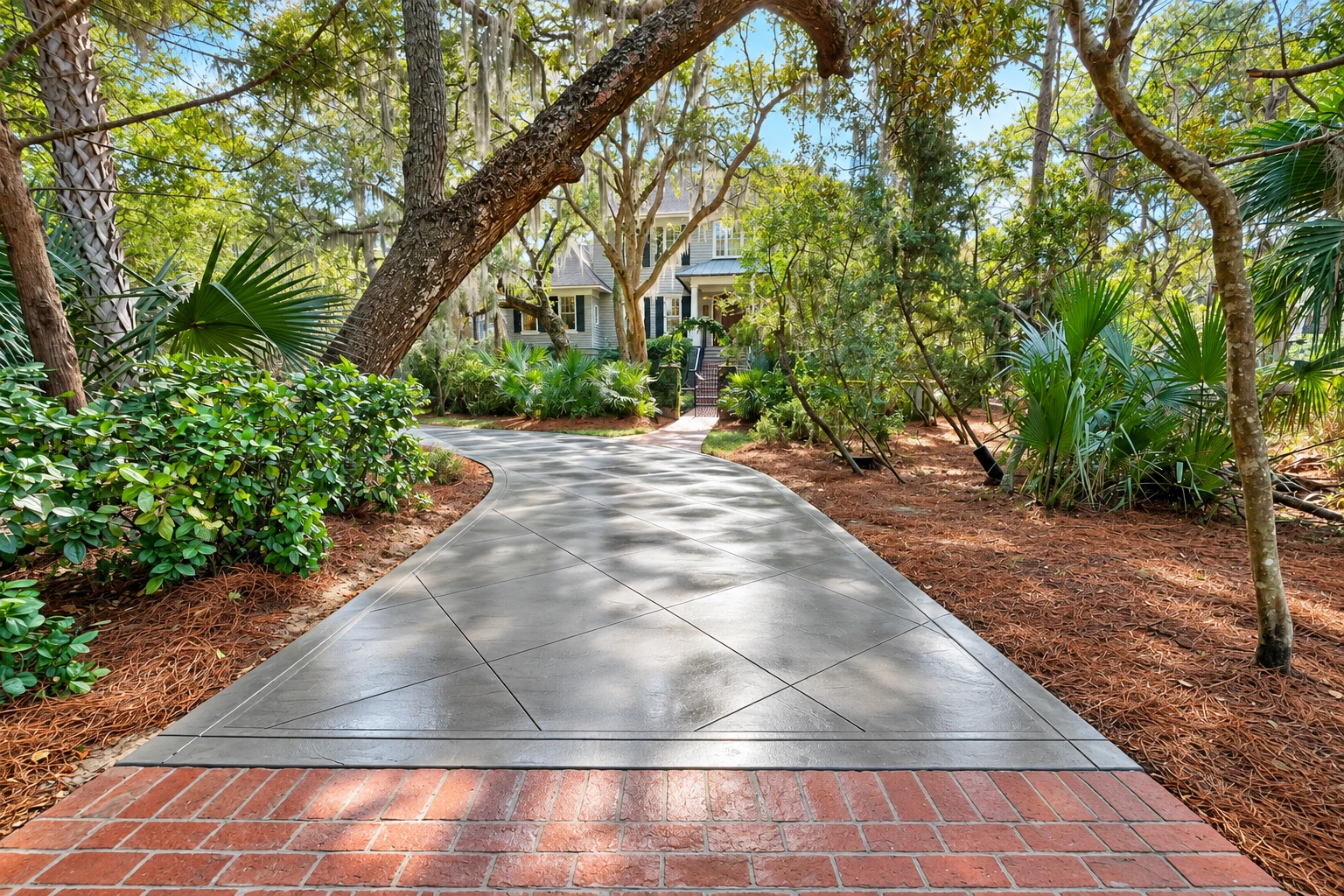
Freezing and salt are what wear a lot out up here. Before we price yours, I talk through three things with you: the mix, the joints, and whether permeable paving makes sense for your site at all. Each one changes how the lot holds up, and each comes with its own upkeep. I'd rather you hear that now than after the first winter.
On joints I'll be blunt. A sealed joint keeps a lot of salty meltwater out of the slab, which protects the concrete on both sides of it. Seals wear, though, and when one fails, salt water soaks into the joint and the concrete around it. Sealed joints need looking after, so plan on checking them and resealing the ones that open up.
Some lots need more than a slab. Light poles, a sign or a low wall at the edge sit on their own concrete footings, which we set before the main pour. If the building beside the lot has settled, foundation raising may need to come first. I set the lot's grades off that building, and I don't want water running back toward it.
Here's the plain version on the mix. Concrete for a lot that freezes and takes deicer salt is made with a planned air content, and you should ask any contractor how their mix allows for freezing and salt. I'll tell you what we're ordering and why.